 Skip to content
 Pricing digital products can be a tricky task for any creator. Whether you’re selling e-books, online courses, design templates, or software, finding the right price can make or break your sales strategy. The ideal pricing strategy balances affordability for your audience while ensuring fair compensation for your work. In this blog, we’ll dive into the key aspects of pricing digital products, share practical tips, and help you determine the best approach for your unique offering.
1. Understanding Your Audience and Market
The first step in pricing digital products is to understand your audience and the market landscape. This means knowing who your customers are, their purchasing power, and their expectations, all of which are essential for setting a competitive price.

Geographic location plays a significant role in this process. People in different regions or countries have varying levels of disposable income, so what might be an affordable price in one country could be too expensive in another. Understanding the economic conditions and average income levels in your target markets will help you set prices that are accessible to your audience.
For example, software companies like Adobe or Microsoft often use regional pricing. A subscription to Adobe Creative Cloud might cost $52.99 per month in the U.S., but in a country with a lower cost of living, the same service may be offered at a reduced price to align with local purchasing power.
To determine the best price for your digital products, consider conducting surveys, analyzing competitors, and studying industry standards to gauge what price range works best for your niche.
2. Evaluate the Value of Your Digital Product
Your pricing should reflect the value your product offers. High-value products—those that solve a significant problem or provide substantial benefits—can justify a higher price point. Ask yourself: Does your product save time, provide exclusive knowledge, or offer a unique solution? If yes, emphasize this value in your marketing and align your pricing accordingly.
Think about what makes your digital product unique. If your product is backed by extensive research, includes bonus materials, or offers something your competitors don’t, you may consider a premium pricing strategy.
For Example: A software developer might sell a productivity app that saves businesses hours each week. Instead of pricing the app at $10 because it was relatively inexpensive to develop, they might price it at $50 per user per month due to the significant value it provides in time savings and increased efficiency.
3. Cost-Based Pricing Approach
While digital products don’t usually incur substantial production costs, there are still other costs to consider, such as software subscriptions, marketing, and website maintenance. A cost-based pricing strategy involves calculating all the expenses associated with creating and selling your product and then adding a profit margin. This ensures that your price covers all costs and yields a reasonable profit. However, keep in mind that this approach doesn’t always account for perceived value, which is crucial in pricing digital products effectively.
4. Competitive Pricing Strategy
Analyzing what your competitors charge for similar products is another essential step in pricing digital products. A competitive pricing strategy involves setting your price slightly lower, on par, or higher than your competitors, depending on the value you offer. If your product has additional features or unique benefits, a higher price could position it as a premium option. On the other hand, a lower price can attract more customers if you’re looking to build an audience quickly.
Use competitor analysis tools or browse online marketplaces to see the price range for products similar to yours. Pay attention to their sales volume, customer reviews, and market positioning to understand what works well in your niche.
5. Psychological Pricing Techniques
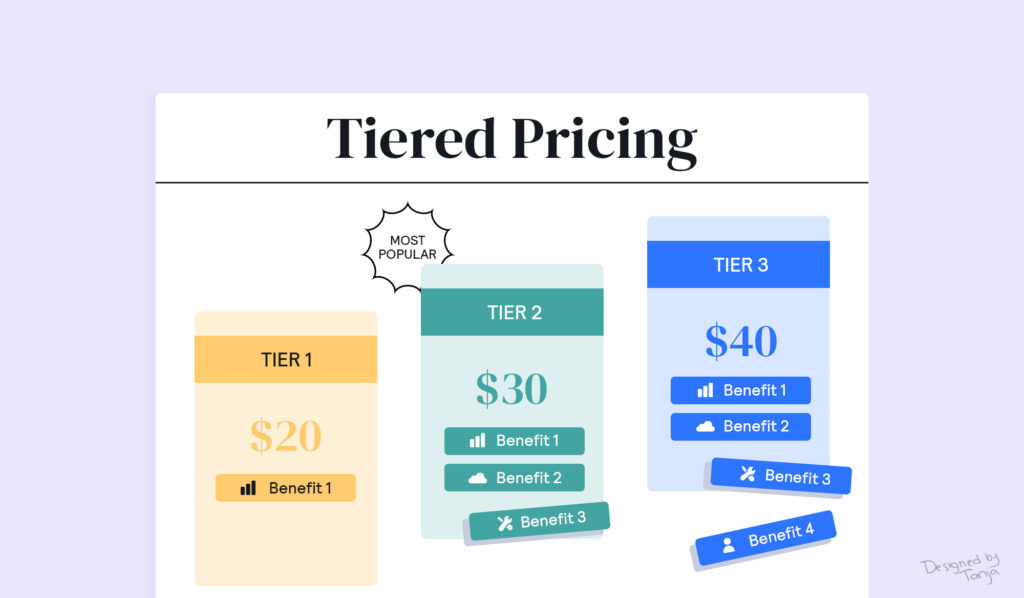
Psychological pricing is a popular tactic to enhance your sales. This involves setting prices slightly below a round number (e.g., $9.99 instead of $10) to make the product appear cheaper than it is. Another technique is to create multiple pricing tiers. Offering a basic, standard, and premium version of your product allows customers to choose the option that best fits their needs and budget, often leading to an increase in overall sales.
6. Testing and Adjusting Your Pricing Strategy
Pricing digital products isn’t a one-time decision; it’s an ongoing process. Once you’ve chosen an initial price, monitor your sales and gather feedback from customers. If you notice a low conversion rate, consider testing different prices. Use A/B testing to experiment with various pricing strategies and see which one resonates most with your audience.
Remember, it’s okay to adjust your pricing based on the market, demand, and feedback. Regularly reviewing your pricing strategy helps ensure it remains competitive and aligned with your goals.
7. Offering Discounts and Limited-Time Promotions
Discounts and limited-time promotions can be effective for driving sales and attracting new customers. When pricing digital products, consider offering occasional discounts, bundle deals, or loyalty rewards to encourage purchases. Be strategic with your offers; too many discounts can devalue your product and hurt long-term sales, while well-timed promotions can create urgency and increase conversions.
Explore related topic: How to Market Digital Products Effectively: Advanced Tips for Boost Sales.
8. Create Bundled Offers for Increased Value Perception
Combine several related digital products into a bundle and offer it at a slightly reduced price compared to buying each item individually.
Example: A digital artist could bundle a set of digital brushes, tutorials, and design templates together. Instead of selling each item for $15 separately, they could offer the bundle for $39, creating a sense of greater value and encouraging customers to purchase more.
Final Thoughts
Pricing digital products involves balancing various factors—understanding your audience, evaluating your product’s value, considering costs, and observing competitor prices. Don’t be afraid to test different strategies and adjust as needed. Remember, the right price is one that reflects the value you provide while ensuring profitability. By carefully considering these aspects, you’ll be well on your way to maximizing sales and growing your digital product business.
Connect with us on LinkedIn to expand your network and grow together: Earn Hustles Insider.
Further Reading and resources
For other information and resources, consider the following links:
